
How to Use Digital Market Strategies for Small Businesses: A Complete Guide
In today’s fast-paced world, digital marketing isn’t just a trend—it’s the backbone of modern business growth. For small businesses especially, adopting digital marketing strategies isn’t optional; it’s essential. If you’re wondering how to use digital market strategies for small businesses, you’re in the right place.
This comprehensive guide will walk you through practical, proven, and scalable strategies tailored to small business owners. Whether you’re a local bakery, a home-grown e-commerce brand, or a B2B startup, this post is built on real-world experience, professional insights, and trustworthy methods.
Why Digital Marketing Matters for Small Businesses
Digital marketing levels the playing field. It allows small businesses to compete with larger corporations by reaching the right audience at the right time without spending a fortune.
Benefits include:
📈 Measurable growth in traffic, leads, and sales
🎯 Highly targeted advertising
💬 Improved customer engagement
🧠 Better brand awareness and reputation
💸 Cost-effective alternatives to traditional marketing


1. Set Clear Marketing Goals
Every successful digital marketing journey starts with clearly defined objectives. Are you looking to:
Increase website traffic?
Get more local customers?
Improve social media engagement?
Generate online sales?
By identifying your goals, you’ll know which strategies will give you the best return on investment.
2. Build a Strong Online Presence
If your business doesn’t have a professional, responsive website, that’s the first priority. It’s your digital storefront.
Key elements of a high-performing website:
-
Clean, mobile-friendly design
-
Fast load speed
-
Clear CTA (Call to Action)
-
SEO-optimized content
-
Integrated blog and social media buttons
Once your website is solid, focus on optimizing your Google Business Profile to dominate local searches.


3. Understand Your Target Audience
Knowing who you’re talking to is just as important as what you’re saying.
Build customer personas:
-
Age, gender, location
-
Interests, values, habits
-
Pain points and challenges
When you understand your ideal customer, you can tailor your messaging across all digital channels.
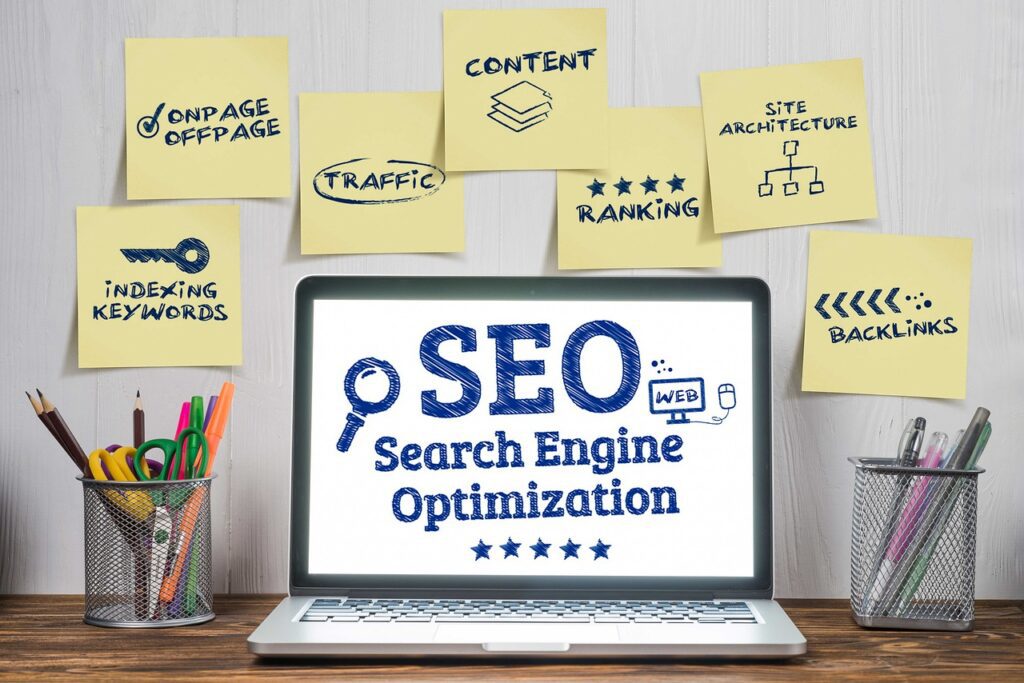
4. Leverage SEO for Organic Growth
One of the most effective ways to gain visibility is through Search Engine Optimization (SEO).
Small business SEO checklist:
Keyword research (e.g., “how to use digital market strategies for small businesses”)
On-page SEO (titles, headings, meta descriptions)
Local SEO (Google Maps, local citations)
Content marketing (blogs, FAQs, guides)
Backlink strategy (getting links from trusted sources)
This is a long-term play, but it delivers sustained growth when done right.

5. Create High-Quality Content That Educates and Converts
Content is the core of digital marketing. But not just any content—valuable, trustworthy, and engaging content wins.
Types of content to consider:
-
Blog posts (like this one!)
-
How-to guides
-
Case studies
-
Customer testimonials
-
Infographics
-
Videos
Always write with your customer in mind, not just for search engines. Naturally incorporate keywords like how to use digital market strategies for small businesses into helpful and authentic content.
6. Use Social Media Strategically
You don’t need to be on every platform—just the ones where your audience is active.
Recommended platforms by industry:
-
Instagram & Facebook – Local retail, fashion, food
-
LinkedIn – B2B, consultants, service providers
-
Pinterest – Lifestyle, DIY, home, fashion
-
YouTube – Education, product demos, tutorials
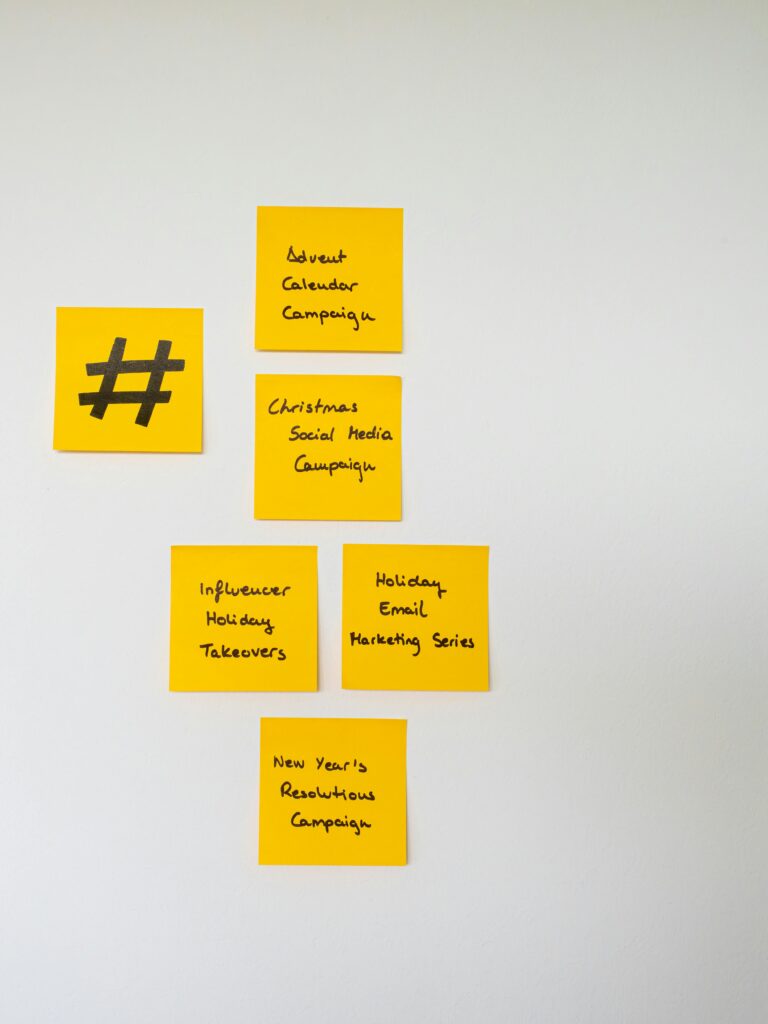
Schedule content regularly, engage with followers, and use hashtags and location tags to improve reach.

7. Implement Email Marketing Campaigns
Email is not dead—it’s thriving.
Start by collecting emails through your website, blog, or landing pages. Then, send targeted campaigns with value-driven content, exclusive offers, or helpful resources.
Best practices:
-
Segment your audience
-
Personalize the emails
-
Use compelling subject lines
-
Include clear CTAs
Email marketing keeps your business top-of-mind and improves retention.
8. Try Pay-Per-Click (PPC) Advertising
For immediate visibility, PPC ads can help you appear at the top of search results or social feeds.
Budget-friendly PPC options for small businesses:
-
Google Ads (Search & Display)
-
Facebook & Instagram Ads
-
YouTube video ads
-
Local service ads
Set daily budgets, monitor performance, and test different creatives and messages.


9. Track, Analyze, and Adjust
No strategy is complete without analytics.
Use tools like:
-
Google Analytics
-
Google Search Console
-
Meta Ads Manager
-
Email marketing dashboards (e.g., Mailchimp, ConvertKit)
Track KPIs like:
-
Website traffic
-
Bounce rate
-
CTR (Click-Through Rate)
-
Conversion rate
-
Cost per lead
Regular analysis helps you understand what works, where to improve, and how to scale.
10. Focus on Building Trust and Authority
To fully benefit from digital marketing, small businesses must build a trustworthy and authoritative brand.
How to build EEAT into your digital marketing:
-
Experience: Share your story, wins, and failures openly
-
Expertise: Publish in-depth, actionable content in your niche
-
Authoritativeness: Get backlinks, guest posts, and media mentions
-
Trustworthiness: Add clear contact info, reviews, testimonials, and privacy policy pages
These factors are not just important for SEO—they’re crucial for building real customer loyalty.


Real-Life Example: Local Bakery Grows with Digital Marketing
Let’s take a real-world example. A local bakery in Delhi wanted to attract more foot traffic and online orders. They applied several of the strategies discussed above:
-
Optimized their Google Business Profile
-
Ran local Facebook Ads targeting nearby customers
-
Posted behind-the-scenes Instagram stories
-
Collected emails via a “10% off your first order” popup
-
Published weekly blog posts with keywords like how to use digital market strategies for small businesses
Within 3 months, their website traffic doubled, and in-store visits increased by 40%.
Final Thoughts
Knowing how to use digital market strategies for small businesses isn’t just about following trends—it’s about creating a sustainable engine for growth that aligns with your brand, budget, and customer needs.
To recap:
Define goals
Build a strong digital presence
Know your audience
Invest in SEO and content
Engage on social media
Use email and PPC wisely
Always analyze and optimize
Build EEAT into everything you do
Start with one or two strategies and scale as you go. Digital marketing rewards consistency, creativity, and trust-building.

Want Help Getting Started?
If you’re still unsure how to begin or need expert guidance tailored to your business, consider consulting a professional digital marketer. The right support can help you launch faster and grow stronger.